

ABOUT
私たちについて About us
阿蘇五岳の麓、南阿蘇村で薪窯イタリア田舎パンを焼いているYOLUCA(ヨルカ)です。
We are YOLUCA, baking Italian rustic bread in a wood-fired oven in Minami-Aso, at the foot of the five peaks of Aso.
私たち夫婦は、鎌倉の外れで小さな飲食店をしていました。 様々な国の文化に触れ、辿り着いたイタリア。 食の伝統が守られ、四季の食材が溢れる国。 その景色を思い出させる阿蘇の地で、素朴なイタリアパンを作っています。
We, a married couple, ran a small restaurant on the outskirts of Kamakura. Meeting the food cultures of many countries led us to Italy, a country where food traditions are kept alive and the seasons fill the table. In Aso, a land that reminds us of those landscapes, we make simple Italian bread.
パンが出来るまで2〜3日ほどに分けて生地を育てるため、受注生産とさせていただいております。 ゆっくりと小麦と水の中に酵母が育ち、消化に優しい生地が出来上がります。 とても手間がかかるので、今は現地のパン屋さんでも扱うところは減っているそうです。 ゆっくりと育った、時間だけが作ることのできる味をお楽しみください。
The dough is raised over two to three days, so we bake to order. The yeast grows slowly in the wheat and water, and the dough becomes gentle on digestion. It takes a great deal of work, and we hear that fewer and fewer bakeries in Italy still make this bread. Please enjoy a taste that only time can make.
小麦、水と塩、種。三つが重なって、ひとつのパンになります。YOLUCAは、熊本・南阿蘇の小さな工房で、イタリアの田舎パンを焼いています。
Wheat, water and salt, and a starter. Together they become one loaf. YOLUCA bakes Italian rustic bread in a small workshop in Aso, Kumamoto.
イタリアパンについて What is Italian bread?
イタリア中部の一般家庭や農家でいただく食事にも、レストランの食事にも、パンが添えられないことはありませんでした。 そして、バゲットのようなフランスのパンが出てきたことはありませんでした。 テーブルには、必ずこの素朴で味気ないくらいのパンが乗っています。 最初はこのパンの魅力がわかりませんでしたが、料理のソースを拭ったとき、衝撃が走りました。 そして、それ以降、イタリア料理にはこのパンが必要だと思うようになりました。
In the homes and on the farms of central Italy, and in its restaurants too, there was never a meal without bread. And it was never French bread like a baguette. On the table there was always this plain bread, almost bland. At first I did not understand its appeal, but when I wiped up the sauce of a dish with it, it struck me. After that, I came to feel that Italian cooking needs this bread.
十余年前、酵母を分けてくれた農家さんにパン作りを教えてもらい、自身のお店で使うパンを作り始め、今に続きます。 その農家さんも、知人から分けてもらい、9年育てていると伺いました。20年以上、引き継がれてきた酵母です。 彼らの住むイタリア中部らしい、塩と酸味が控えめで 料理の味を損なわない、優しい味のパンです。 イタリアパンについて、くわしくはFAQをご覧ください。
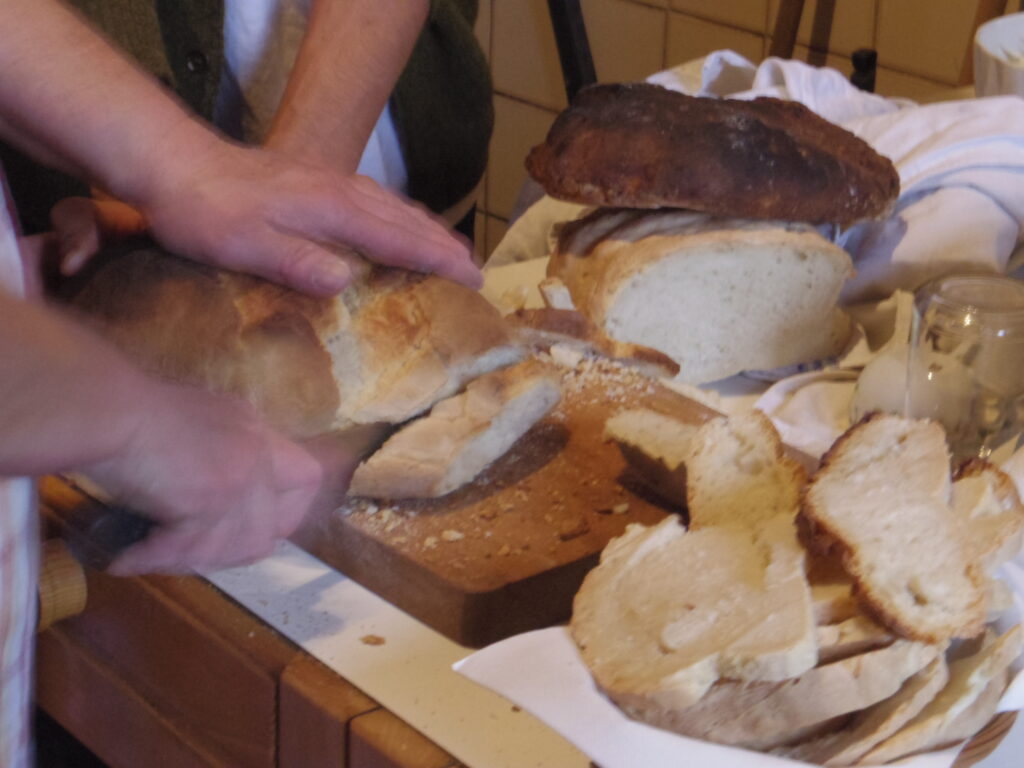
More than 10 years ago, the farmer who shared a starter with us taught us how to bake, and we began making bread for our own restaurant. That is how it has continued to this day. The farmer, too, had received it from an acquaintance and had kept it for 9 years. It is a starter that has been handed down for more than 20 years. True to their home in central Italy, the salt and acidity are restrained, so the bread does not overpower the dish: it has a gentle flavor. For more about Italian bread, see the FAQ.
繋ぎ続けている酵母と熊本県産有機小麦、天然の水、天日塩を、大きな木箱で手捏ねする伝統的な製法でお作りしています。 昔は、一家のお母さんがひと月分のパン生地を捏ね、地域の共同窯に持ち寄ってパンを焼いていたそう。 パンはそれだけ、なくてはならない存在でした。
We make it in the traditional way, kneading by hand in a large wooden trough, with the starter we have kept alive, organic wheat from Kumamoto, natural water, and sun-dried salt. In the past, the mother of each household kneaded a month’s worth of dough and carried it to the village’s communal oven to bake. Bread was that essential.
効率や手軽さを求めたファストフードに対し、1986年、食の伝統や生産者を守るために、スローフード運動がイタリアで生まれました。 イタリアのパンは、その土地の粉と水で焼かれてきました。 私たちもその考えにならい、熊本の小麦と阿蘇の水でパンを焼いています。 粉も水も違うので、食感や味わいは、イタリアのパンとは少し異なります。 それは、この土地でイタリアパンを焼く、私たちらしさだと思っています。
In 1986, in response to fast food and its pursuit of efficiency and convenience, the Slow Food movement was born in Italy to protect food traditions and the people who produce food. Bread in Italy has always been baked with the flour and water of its own place. We follow the same idea, baking with wheat from Kumamoto and water from Aso. Because the flour and water are different, the texture and flavor are a little different from bread in Italy. We think of that as what makes our bread ours, baked in this land.
[写真:窯の前の手元]
小麦のこと Wheat
熊本で育った有機小麦を使います。家族経営の農場、ろのわさんのチクゴイズミと、ミナミノカオリ。注文を入れてから、農家さんが製粉してくださり、挽きたての粉を製粉所まで取りに行って、使わせていただいています。
We use organic wheat grown in Kumamoto, from the family-run Ronowa farm, in 2 varieties developed in Kyushu. Once we place an order, the farmers mill the wheat for us, and we pick up the freshly milled flour at the mill and bake with it.
[農園の方のこと、畑の写真、農園のリンク]
水と塩のこと Water and salt
生地に使う水は、阿蘇山の恵みの湧水です。塩は、周りに工場地帯などがない、ギリシャのきれいな海と太陽で作られた、ミネラル豊富な天然塩です。
The water for the dough is spring water from Mt. Aso, a gift of the mountain. The salt is natural, mineral-rich sea salt, dried by the sun in Greece, from a clean sea with no industrial areas nearby.
[塩の産地・つくり手のこと、水を汲む場所の写真]
種と窯のこと Starter and wood-fired oven
イタリア・アレッツォ県・アンギアーリの有機農園から受け継いだ種を、十余年育てています。熊本は雄大な自然に囲まれた地域です。この自然を守るために間伐した木を薪にして、窯で焼きます。
The starter was passed down from an organic farm in Anghiari, in the province of Arezzo, Italy, and we have kept it alive for more than 10 years. Kumamoto is surrounded by magnificent nature. To protect it, we burn thinned timber as firewood and bake in a wood-fired oven.
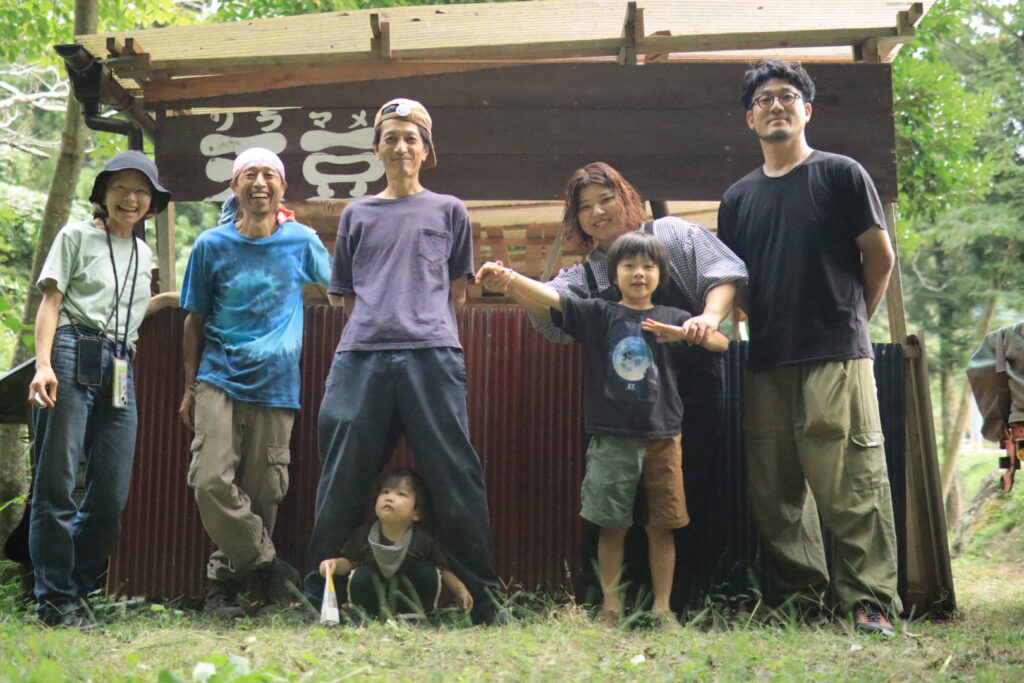
窯は、神奈川県のパン屋さん「天豆(そらまめ)」さんから譲っていただきました。25年間営業されたお店で、13年前に、ご自身で築かれた窯です。モルタルを極力使わないよう、2か月かけて四角錐台に削り出したレンガを積み上げたものでした。閉業されたあと、窯を崩してトラックで運び、南阿蘇では、ご本人にも来ていただいて、一緒に再建しました。
Our oven was passed on to us by the bakery Soramame (天豆) in Kanagawa that ran for 25 years. The baker built it 13 years ago, spending 2 months carving each brick into the shape of a truncated pyramid so that as little mortar as possible was needed. After the bakery closed, the oven was dismantled and brought here by truck, and the baker came to Minami-Aso to help us rebuild it.
手元に届いたら At your table
パンの保存の仕方と、おすすめの食べ方は、FAQにまとめています。蒸して、オリーブオイルを添えて、そのまま食卓へ。乾かして削って粉チーズのように使うのも、おすすめです。
How to keep the bread fresh and how to enjoy it are in the FAQ. Steam it, add olive oil, and set it on the table. Once it dries, you can also grate it like Parmesan.
[食べ方の写真]
つくっている人 Who bakes
YOLUCA。鎌倉市で飲食店を経営後、イタリアの農家の景色に憧れ、九州に移住した夫婦。6歳違いで誕生日が一日違いの男の子をふたり育てながら、南阿蘇の小さな工房でパンを焼いています。来てくださった方が、なんとなくほっとしてくださいますように。
YOLUCA is a married couple who ran a restaurant in Kamakura city, Kanagawa, longed for the scenery of Italian farms, and moved to Kyushu. While raising 2 boys, 6 years apart, whose birthdays are one day apart, we bake bread in a small workshop in Minami-Aso. May everyone who visits feel, somehow, at ease.